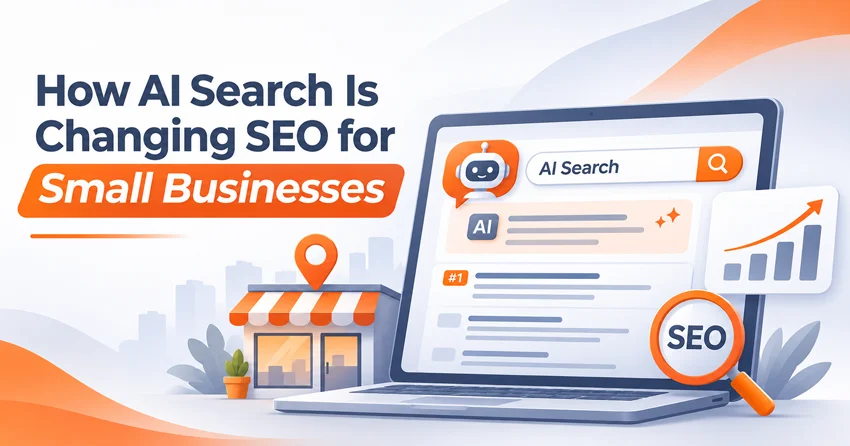
Search engine optimization never stands still. Google updates its systems constantly, new search features appear every year, and the way people search keeps evolving. Strategies that worked a few years ago may now be ineffective or even harmful. Here are the most important SEO changes every business owner should understand, and what they mean for your website.
1. Helpful, People-First Content Is the Priority
Google has made it clear that it wants to rank content created to help people, not content written mainly to attract search traffic. Its guidance on creating helpful, reliable, people-first content asks questions such as: Does the content provide original information or analysis? Would someone leave feeling they learned enough to achieve their goal? Is it written by someone with real expertise?
What it means for you: Thin pages stuffed with keywords no longer work. Focus on detailed, accurate content that reflects your real experience. Service pages should explain your process, pricing factors and common questions. Blog posts should genuinely solve problems.
2. Experience, Expertise, Authority and Trust (E-E-A-T)
Google’s quality guidelines emphasize experience, expertise, authoritativeness and trustworthiness. While E-E-A-T isn’t a single ranking factor, Google’s systems aim to reward content that demonstrates these qualities.
What it means for you: Show who is behind your business. Include an About page, team information, real project examples, customer reviews and clear contact details. Our About Us page is an example of introducing your team to visitors.
3. Mobile-First Indexing
Google now uses the mobile version of websites for indexing and ranking. Google’s mobile-first indexing best practices recommend making sure your mobile site has the same content, structured data and metadata as your desktop version.
What it means for you: Test your site on a phone regularly. If content is hidden, text is tiny or pages load slowly on mobile, your rankings may suffer everywhere.
4. Page Experience and Core Web Vitals
Google measures real-world user experience with Core Web Vitals, which cover loading performance, responsiveness and visual stability. Combined with other factors described in Google’s page experience guide, these help Google evaluate how pleasant your site is to use.
What it means for you: Speed and stability matter. Compress images, reduce unnecessary plugins and scripts, and choose quality hosting. Read how to boost your website’s speed and ranking for practical tips.
5. AI Overviews and AI Search
Search is increasingly influenced by AI. Google’s AI Overviews summarize answers at the top of many results, and tools such as ChatGPT and Gemini answer questions and recommend businesses directly. These systems draw on content from across the web.
What it means for you: Clear, well-structured content with direct answers to common questions is more likely to be used and cited. Consistent business information across your website, Google Business Profile and directories helps AI tools describe your business accurately.
6. Local Search Keeps Growing
“Near me” and location-based searches are more important than ever, especially on mobile. The Google Maps local pack often appears above traditional results.
What it means for you: Keep your Google Business Profile complete and active, collect reviews regularly and create location-focused content. Our guide on improving your local rankings on Google explains the steps.
7. Stronger Action Against Spam
Google continues to tighten its spam policies, targeting tactics such as mass-produced low-quality content, expired domains bought to manipulate rankings, link schemes and site reputation abuse.
What it means for you: Avoid shortcuts. Buying links, publishing large volumes of low-value pages or copying content from other sites can do more harm than good. Sustainable SEO is built on quality.
8. Secure Websites Are Expected
Google has used HTTPS as a ranking signal for years, and browsers now clearly warn visitors about non-secure sites. HTTPS is no longer optional. Learn more in our post on HTTP vs. HTTPS.
9. Structured Data Helps Search Engines Understand You
Structured data helps search engines understand details such as your business information, products, events and FAQs. Google’s structured data guide explains how it works. Adding LocalBusiness and Organization schema is a smart step for most businesses.
10. Quality Over Quantity
Many websites have accumulated outdated blog posts, thin pages and duplicate content over the years. A smaller website with strong, up-to-date pages often performs better than a large site full of weak content.
What it means for you: Review your old content. Update and expand useful pages, combine overlapping articles and remove or noindex pages that offer little value.
How to Stay Ahead
- Follow the Google Search Central documentation for official guidance
- Monitor your performance in Google Search Console
- Review and refresh important content regularly
- Focus on genuine customer value rather than chasing every algorithm rumour
Need Help Keeping Up?
SEO changes can be hard to track when you’re busy running a business. At Cyrux Smart Solutions, our Aurora-based team keeps up with search updates so you don’t have to. Explore our SEO services or request a free SEO audit to see how your website measures up against today’s best practices.